

evilstevie @evilstevie@mastod1.ddns.net
Mod
Steve:
frequent overthinker, compulsive fixer, digester-then-explainer, "why?" question relishing father, minor-irritant partner, excessive disassembler, original-form hacker, high-efficiency googler, borderline-competent car-fixer, expert-level car-breaker, faster-by-qwerty communicator, indiscriminate photo-taker, Leatherman owner.
Joined Nov 2022
evilstevie
boosted

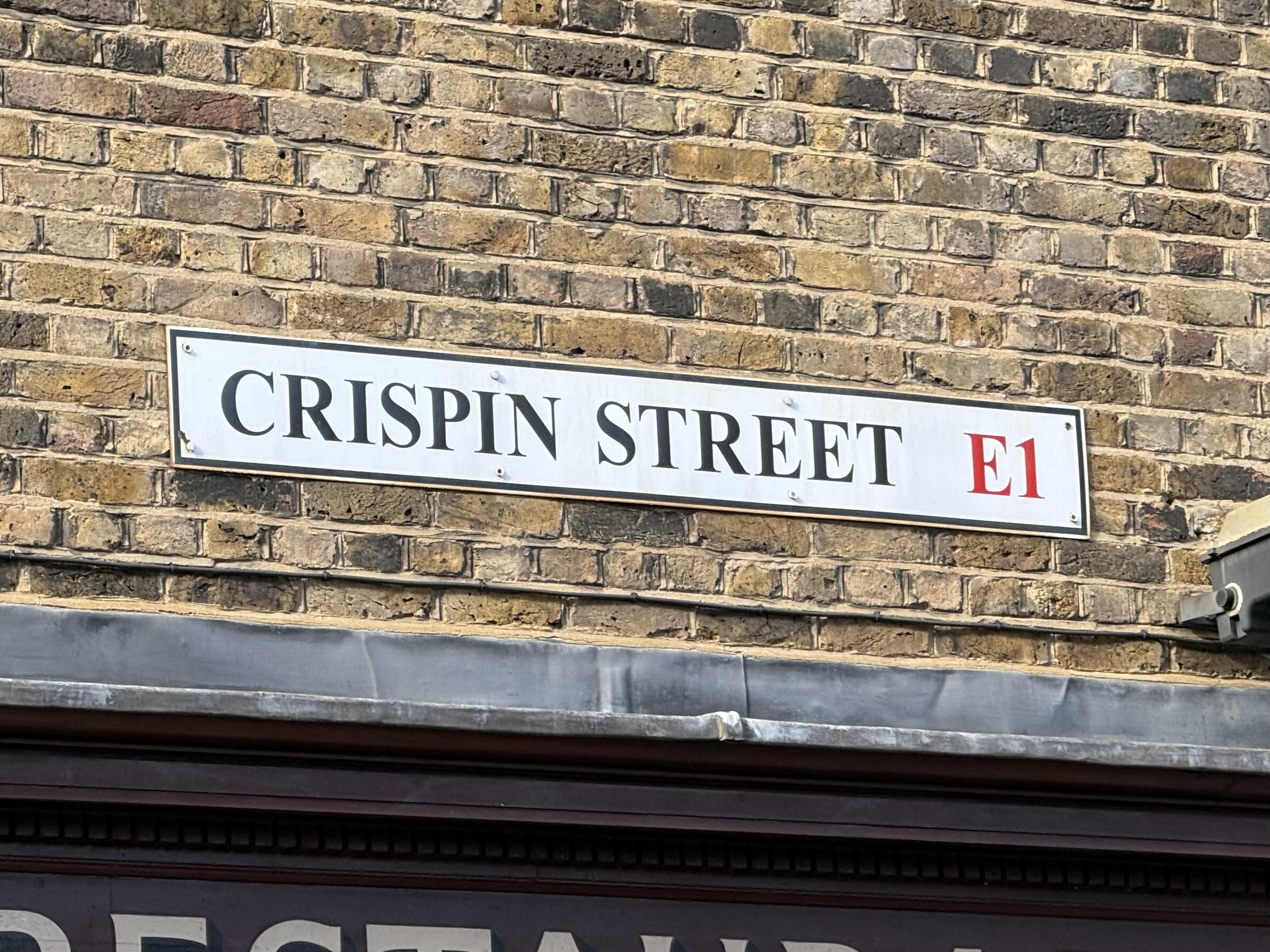
🥪 The big day is here! Looking forward to your #CrispSandwichDay pics (we’ll ask for permission & give credit for any we want to feature on the site. Oh and because of how Mastodon works, you might need to give us a prod if you want us to find them, there’s no global search)
evilstevie
boosted

This is what's in the manual of my 1989 alarm clock in case you didn't know what we lost in repairability in just 10 - 20 years
evilstevie
boosted

Dear slop machine boosters, please don't be upset if I don't reply when you complain about me being mean to your favorite tech hype in my posts.
It's nothing personal. It's just that I may have already muted you. Because my time is precious to me, and I'd rather give it to those whose toys aren't wreaking havoc on the planet, society, and people's brains.
Thank you for your understanding!
--
#StopTheSlop #Slopposition
evilstevie
boosted

Liberté
Égalité
Unable to decrypté
evilstevie
boosted

@ozzelot chdck out @vx_underground for inspiration, though only for naughty gloop
evilstevie
boosted

evilstevie
boosted


evilstevie
boosted

Gonna sound like a jerk here, but I feel like the idea that autistic people ‘overthink’ things is the wrong war around. No, neurotypical folks don’t think about things enough. Half the issues society suffers from come because the natural human mindset seems to be “YOLO let’s make this massive change to how things work without thinking about the consequences or details whatsoever!”
evilstevie
boosted

Chat, we've gone big league
Last time on Dragon Ball Z, a few weeks ago I made a crappy little video of me bonking goop (malware) with a stick. In the video I mentioned I use IDA Pro, I believed it to be the best on the market, and said as an independent researcher I can easily afford (I used a cracked version).
Following this silly video, I got an e-mail from the people who make IDA (Hex-Rays). I immediately believed they were going to yell at me, hit me over the head with a cinder block, or sue me, for using a cracked version of their very expensive product and displaying it in the video.
Instead they told me they liked my goop video and they liked my goop posts. They also said they like vx-underground because they value the goop.
So anyway, so instead of beating me over the head with a cinder block, they gave me IDA Pro Expert for free.
wtf i love hex-rays
evilstevie
boosted

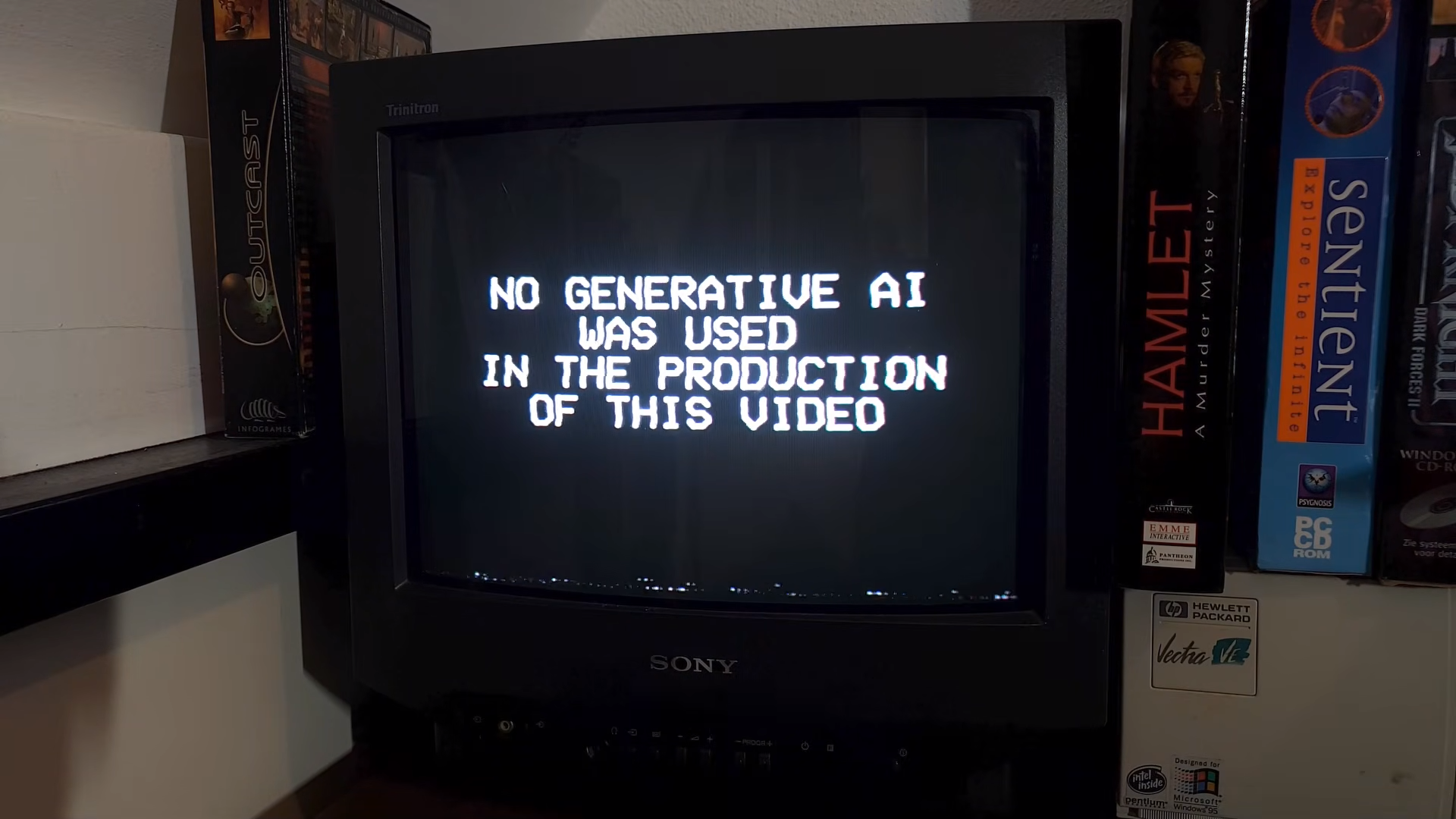
in fact @jeremyoduber did this right at the start of his latest video: https://www.youtube.com/watch?v=c156GXrgjPw
and i was very glad to see it in his video even though i already know he doesn't use AI
evilstevie
boosted
@gsuberland it HECKIN wimdy here

evilstevie
boosted










evilstevie
boosted
Another place to celebrate tomorrow, this one’s west London https://www.thedodomicropub.com/events/crisp-sandwich-weekend
Mod
Steve:
frequent overthinker, compulsive fixer, digester-then-explainer, "why?" question relishing father, minor-irritant partner, excessive disassembler, original-form hacker, high-efficiency googler, borderline-competent car-fixer, expert-level car-breaker, faster-by-qwerty communicator, indiscriminate photo-taker, Leatherman owner.
Joined Nov 2022
