

evilstevie @evilstevie@mastod1.ddns.net
Mod
Steve:
frequent overthinker, compulsive fixer, digester-then-explainer, "why?" question relishing father, minor-irritant partner, excessive disassembler, original-form hacker, high-efficiency googler, borderline-competent car-fixer, expert-level car-breaker, faster-by-qwerty communicator, indiscriminate photo-taker, Leatherman owner.
Joined Nov 2022
evilstevie
boosted

Hello, Little People Living Inside Of My Computer,
I have made my first YouTube video. I am bonking goop (malware) with a stick. I've tried to be both technical and non-technical to appeal to all nerds.
This was a lot of work. I love you.
evilstevie
boosted

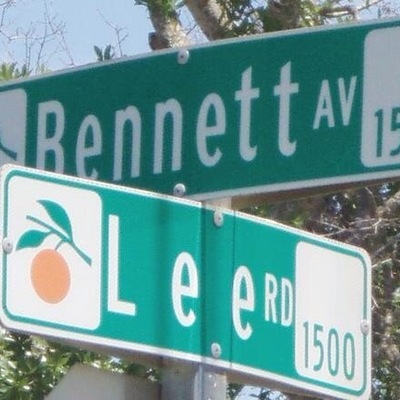
kernel modules per Scoville
evilstevie
boosted
cubic Smoots per memory corruption bug
evilstevie
boosted

@da_667 *standing ovation*
evilstevie
boosted

I DO NOT LIKE YOU SAM ALT-MAN, I DO NO LIKE YOUR AI AND SPAM.
I WILL NOT USE IT PREDICT THE RAIN. YOUR HOARDING OF HARDWARE HAS CAUSED ME MUCH PAIN.
YOUR STEALING OUR DATA WAS PRETTY LAME, I WISH YOUD FUCK OFF ALL THE SAME.
I DO NOT LIKE YOU SAM ALT-MAN, I DO NOT LIKE YOUR AI AND SPAM

evilstevie
boosted


@evilstevie
also: planned obsolescence, tech as fashion statement, soldered ram in laptops, batteries built into laptops/phones/the ipod, parts pairing, and so much more shit i can't even think of right now
evilstevie
boosted

You're listening to Sisyphus FM, the home of Non Stop ROCK!!!
evilstevie
boosted

Nooclear Wessels...
RIP Walter Koenig
evilstevie
boosted

bash.org #205895
<auto-jack> one of my users needs to disable their antivirus
<auto-jack> "to run a test."
<Redline> testing their will to be employed
<auto-jack> one of my users needs to disable their antivirus
<auto-jack> "to run a test."
<Redline> testing their will to be employed
evilstevie
boosted

evilstevie
boosted

i'm desperate at this point so i guess i'll put out a #getfedihired call.
i've been coding for 12 years, i've been doing linux sysadmin for, like, 5.
i have particular strength in web development, anything C# or .NET, and the Windows API.
no requirements to line of work.
i live in london, UK. i am a dual european and UK citizen, anywhere in europe is fine. i am open to remote (don't mind office days) or possibly relocating elsewhere in the UK (or europe).
evilstevie
boosted

evilstevie
boosted


🌕🌕🌕🌕🌕🌕🌕🌕🌕🌕🌕
🌕🌕🌕🌒🌕🌖🌒🌕🌕🌕🌕
🌕🌕🌖🌑🌓🌑🌑🌕🌕🌕🌕
🌕🌕🌗🌑🌑🌑🌑🌔🌕🌕🌕
🌕🌕🌘🌙🌑🌙🌑🌔🌖🌑🌕
🌕🌕🌖🌑🌑🌑🌑🌕🌕🌑🌔
🌕🌕🌕🌖🌑🌑🌔🌕🌕🌑🌔
🌕🌕🌕🌘🌑🌑🌒🌕🌕🌑🌔
🌕🌕🌕🌘🌑🌑🌑🌔🌖🌑🌕
🌕🌕🌕🌑🌑🌑🌑🌒🌑🌒🌕
🌕🌕🌕🌑🌑🌑🌑🌑🌒🌕🌕

evilstevie
boosted
The GDPR may not be perfect - few laws are - but boy would I prefer to have it (or its UK sibling) than not to have it.
If someone wants to abolish the GDPR, my starting point is that they want to do something with people's personal data that I won't like.
evilstevie
boosted

🥪 The big day is here! Looking forward to your #CrispSandwichDay pics (we’ll ask for permission & give credit for any we want to feature on the site. Oh and because of how Mastodon works, you might need to give us a prod if you want us to find them, there’s no global search)
evilstevie
boosted
This is what's in the manual of my 1989 alarm clock in case you didn't know what we lost in repairability in just 10 - 20 years
evilstevie
boosted






Dear slop machine boosters, please don't be upset if I don't reply when you complain about me being mean to your favorite tech hype in my posts.
It's nothing personal. It's just that I may have already muted you. Because my time is precious to me, and I'd rather give it to those whose toys aren't wreaking havoc on the planet, society, and people's brains.
Thank you for your understanding!
--
#StopTheSlop #Slopposition
Mod
Steve:
frequent overthinker, compulsive fixer, digester-then-explainer, "why?" question relishing father, minor-irritant partner, excessive disassembler, original-form hacker, high-efficiency googler, borderline-competent car-fixer, expert-level car-breaker, faster-by-qwerty communicator, indiscriminate photo-taker, Leatherman owner.
Joined Nov 2022
